农历: 丙午年 五月十六 (Fire Horse Year, 5th Lunar Month Day 16)
宜 (Auspicious): 修造 (Renovate) · 裁衣 (Tailor) · 安床 (Set Bed) · 祈福 (Pray)
忌 (Avoid): 安葬 (Burial) · 动土 (Break Ground)
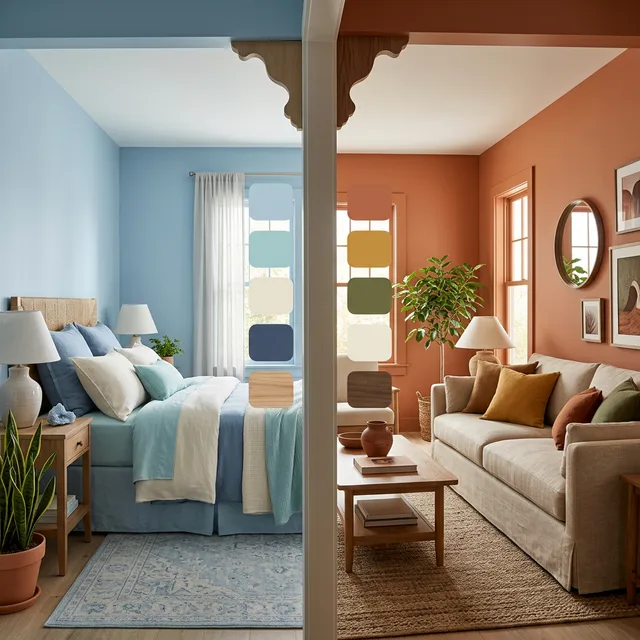
🎨 "宜修造·裁衣" — A day for design changes! Transform your space with summer's Five Element color map.
Colors carry elemental energy. Red = fire. Blue = water. In summer when fire is already excessive, using too many warm colors literally makes your home feel hotter. Strategic color swaps can cool your space by 2-3 degrees of perceived temperature.
Table of Contents
The Five Element Color Map
| Element | Colors | Energy | Summer Effect |
|---|---|---|---|
| 💧 Water | Black, navy, deep blue | Cooling, calming, introspective | ✅ Counterbalances summer fire |
| 🌳 Wood | Green, teal, sage | Growth, renewal, vitality | ✅ Fresh energy, feeds fire gently |
| ⚒️ Metal | White, silver, gray, gold | Clarity, precision, focus | ✅ Drains excess fire energy |
| 🏔️ Earth | Beige, tan, terracotta | Grounding, stability, nourishment | ⚠️ Neutral — okay in moderation |
| 🔥 Fire | Red, orange, hot pink, magenta | Passion, energy, activation | ❌ Amplifies summer heat — reduce |
Room-by-Room Summer Color Guide
| Room | Summer Colors | Easy Swaps |
|---|---|---|
| Bedroom | Cool blue, lavender, soft gray | Blue pillowcases, white curtains, remove red throws |
| Living Room | Sage green, cream, soft blue accents | Green throw pillows, white vases, blue art prints |
| Kitchen | White, light mint, natural wood | White dish towels, green herb pots, clear glass |
| Home Office | White, silver, pale green | White desk accessories, metal lamp, remove orange items |
| Bathroom | Sea blue, white, aqua | Blue towels, white candles, clear glass containers |
Zero-Cost Summer Color Swaps
| 🛏️ Swap red/orange bedsheets for white or light blue |
| 🖼️ Rotate wall art to feature water/nature scenes instead of fiery abstracts |
| 🛋️ Store warm-colored throw pillows, bring out cool-toned ones |
| 🕯️ Replace red candles with white or blue ones |
| 🧴 Clear glass soap dispensers instead of colored plastic |
| 🌿 Add more green plants — living green energy is the best color therapy |
Undertones Matter More Than the Color Name
Here's where most color-therapy advice falls apart: a paint chip labeled "spa blue" or "sage green" can secretly run warm. Undertone — the hidden hue mixed into a color — determines whether it actually reads as cooling in the Five Element system, regardless of what the name on the swatch says. A "cooling" blue with a violet undertone still carries a trace of Fire. A "calming" sage with a yellow base leans toward Earth, not the crisp Wood/Water combination you actually want in July.
| Marketed As | Watch For (Warm Undertone) | True Cooling Pick (Cool Undertone) |
|---|---|---|
| "Spa Blue" | Dusty blue with a grey-violet base — reads warmer and moodier than it looks on the chip | Powder or sky blue with a green-grey base — genuinely cooling |
| "Sage Green" | Olive-leaning sage with yellow undertone — closer to Earth than Wood | Grey-green sage with a blue undertone — true Wood, cooling and fresh |
| "Soft White" | Cream or ivory white — has a yellow/cream base, closer to Earth | True or "cool" white with a blue-grey base — sharp Metal energy |
| "Blush" | Any pink, no matter how pale — still Fire family | Swap for dusty lavender if the goal is cooling, not warming |
The quick test: hold the swatch against a pure white sheet of paper in daylight (not under a warm bulb at night). If it visibly leans pink, purple, or yellow next to the white, it's warmer than it looks in the store.
Step-by-Step: A Weekend Summer Color Reset
- Walk your home at midday. Note which rooms feel hottest even with AC running — that's usually where Fire colors are concentrated in furniture, art, or rugs.
- Photograph each room's dominant palette. Walls, the largest piece of furniture, and any statement art — these three elements carry 80% of a room's color impact.
- Flag the Fire-heavy rooms using the element map above. Red sofas, orange throws, and warm-wood tones all count, even if you don't consciously register them as "colorful."
- Start with the bedroom, then the living room. Bedroom color affects sleep quality directly; living room affects how the whole household feels after work.
- Apply one or two swaps per room from the table above — don't overhaul everything in one afternoon. Small changes are easier to judge honestly.
- Live with it for 3–4 days before judging. Perceived temperature and mood shifts are subjective and take a few days of normal use to register.
- Keep what worked, revert what didn't. If an all-cool palette feels sterile rather than calming, add back one small warm accent — balance, not elimination, is the goal.
Common Mistakes in Summer Color Therapy
- Going all-blue-and-white. A home with zero Fire feels cold and lifeless, not peaceful. Keep one or two warm accents as a focal point — a single red vase or orange cushion is enough.
- Repainting a whole room when a textile swap would do. Paint is expensive and permanent for a season; bedding, curtains, and throw pillows carry most of a room's visible color and cost far less to change.
- Confusing "earthy" with "cooling." Terracotta, rust, and warm tan read as grounded in home décor blogs, but in the Five Element system they're still Earth-leaning-Fire — not a summer cooling color.
- Ignoring your personal element. If your BaZi chart already leans Water or Wood, piling on more blue can overcool your personal energy even if the room "needs" it. Balance the room, not just the season.
- Overlooking Metal accents. Mirrors, chrome fixtures, and clear glass are the fastest way to drain excess Fire, but they don't feel like a "color swap" so people skip them entirely.
Frequently Asked Questions
No. Textiles, art, and accessories carry more of a room's visible color story than the walls do. Swap bedding, rotate throw pillows, and change out art before you even consider paint — it's reversible, costs under $50, and lets you test the effect for a season before committing.
You don't have to abandon them. The goal is balance, not elimination. Keep one or two Fire-colored accent pieces as a focal point, then let the surrounding palette lean cool. A room that's 100% blue and white can feel just as unbalanced as one that's all red and orange.
No — paint and fabric don't change the air temperature a thermometer reads. What shifts is perceived temperature: cooler hues and lighter values read as calmer to the eye and nervous system, which is why designers have leaned on this principle for decades independent of feng shui. Pair color changes with real cooling strategies — cross-ventilation, blackout curtains, fans — for actual temperature control.
Yes — that's exactly the situation the Zero-Cost Swaps table above is built for. Bedding, curtains, rugs, and art account for most of a room's visible color; the walls are often less than half of what your eye actually registers when you walk in.
Give it at least a full week, ideally through one stressful workday and one weekend day at home. A single evening isn't enough to tell whether a cooler palette is actually settling your mood or you're just noticing something new. If after a week the room still feels flat rather than calm, reintroduce a small warm accent instead of pushing further into blue and white.
Get Your Personalized Color Prescription
Your BaZi chart shows which colors support your personal energy. A color consultation aligns your home with your element.
Book Color Consult